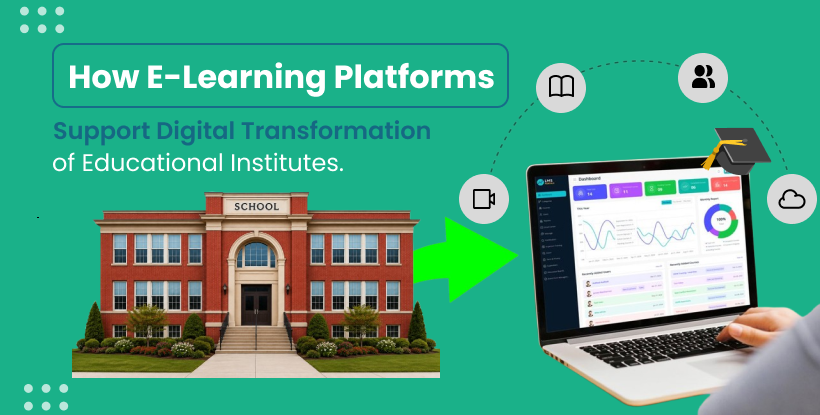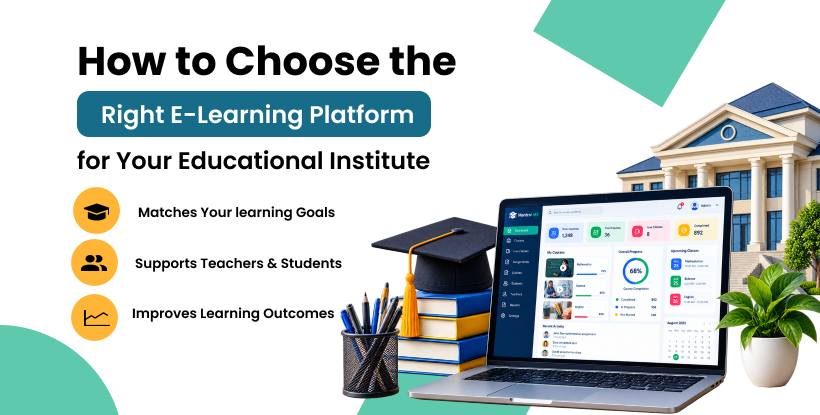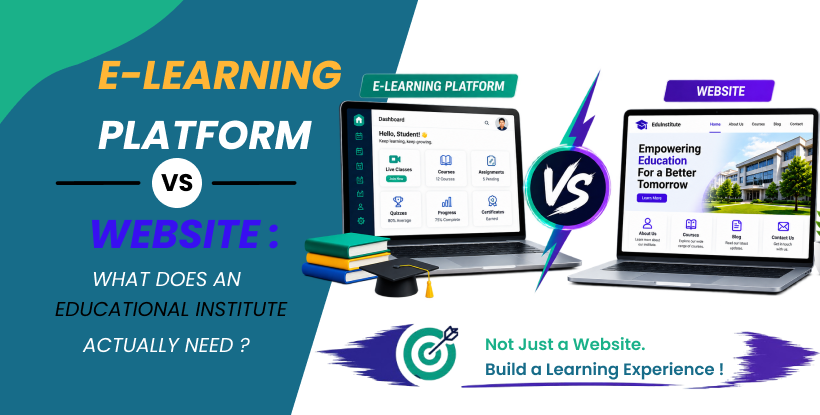
In today’s digital education landscape, students need more than traditional classroom teaching to succeed. The rapid growth of online and blended learning has made Learning Management Systems (LMS) an essential tool for modern education. An LMS is a digital platform that helps students access learning materials, track progress, communicate with instructors, and develop essential skills anytime and anywhere.
1. Anytime, Anywhere Access to Learning
One of the biggest advantages of an LMS for students is 24/7 access to course materials. Students can study lectures, notes, assignments, and recorded videos from any location using a mobile phone, tablet, or laptop. This flexibility is especially beneficial for students who balance academics with part-time jobs or personal responsibilities.
2. Personalized Learning Experience
LMS platforms allow students to learn at their own pace. Fast learners can move ahead, while others can revisit lessons multiple times until they fully understand the topic. Personalized quizzes, progress tracking, and adaptive learning paths help students focus on areas where improvement is needed.
3. Improved Organization and Time Management
With an LMS, all academic resources are available in one place. Assignment deadlines, exam schedules, and course announcements are clearly displayed, helping students stay organized. Automated reminders reduce the chances of missing important submissions and encourage better time management skills.
4. Enhanced Student Teacher Communication
LMS platforms improve communication through discussion forums, chat options, and messaging systems. Students can easily ask questions, participate in discussions, and receive timely feedback from instructors. This creates a more interactive and supportive learning environment.
5. Instant Feedback and Performance Tracking
Online assessments and quizzes provide instant results, allowing students to evaluate their understanding immediately. Performance analytics help students track their strengths and weaknesses, motivating them to improve continuously.
6. Skill Development Beyond the Classroom
An LMS does not only support academic learning but also helps students build practical and career-oriented skills. Many platforms include courses on programming, data analysis, communication, digital marketing, and other in-demand skills. This prepares students for real-world challenges and future employment.
7. Inclusive and Accessible Education
Learning Management Systems support inclusive education by offering features such as recorded lectures, downloadable content, and accessibility options. Students with different learning needs can engage with the content in a way that suits them best.
8. Encourages Self-Directed and Lifelong Learning
By promoting independent learning habits, an LMS encourages students to take ownership of their education. This mindset helps students continue learning throughout their lives, which is essential in today’s rapidly changing job market.