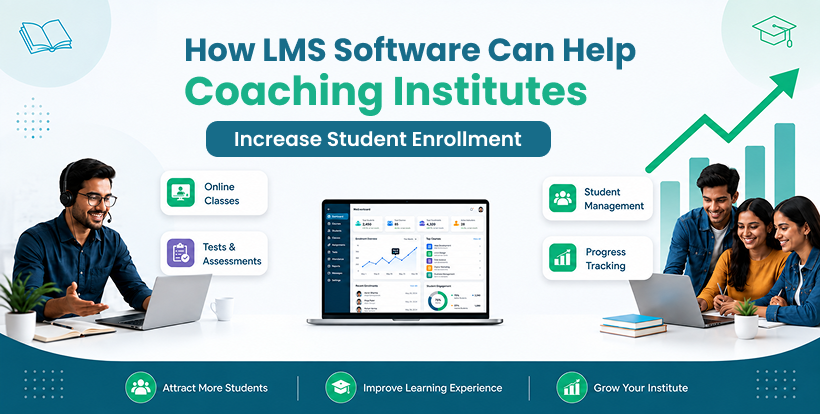
Learning Management Systems (LMS) have emerged as a vital component of modern education systems worldwide. As digital learning continues to grow, institutions and organizations across different countries are adopting LMS platforms to manage courses, learners, assessments, and training programs efficiently.
In North America and Europe, LMS platforms are deeply integrated into universities, colleges, and corporate training environments. Institutions rely on LMS solutions for end-to-end digital learning, including content management, online examinations, learner analytics, and certification. Corporate sectors use LMS platforms to deliver compliance training, onboarding programs, and professional development courses with measurable outcomes.
Asian countries have witnessed rapid LMS adoption due to increased internet penetration and mobile device usage. Educational institutions prioritize mobile-friendly LMS platforms that support self-paced learning and exam-oriented courses. Many governments and private organizations use LMS systems to upskill workforces and support digital literacy initiatives.
In developing regions, LMS platforms play a crucial role in bridging educational gaps. Cloud-based LMS solutions help schools and training institutes deliver education without requiring expensive infrastructure. Learners from remote areas gain access to structured learning content, assessments, and progress tracking through online platforms.
Despite regional differences, the global goal remains the same: to make learning accessible, efficient, and scalable. LMS platforms are continuously evolving with features such as AI-driven analytics, automation, and personalized learning paths to meet the growing demand for digital education worldwide.