Our Blogs & Articles

Discover articles, guides, and structured resources designed to help students, educators, and lifelong learners thrive in their educational journey.

How LMS Software Can Help Coaching Institutes Increase Student Enrollment? Global LMS
How LMS Software Can Help Coaching Institutes Increase Student En...

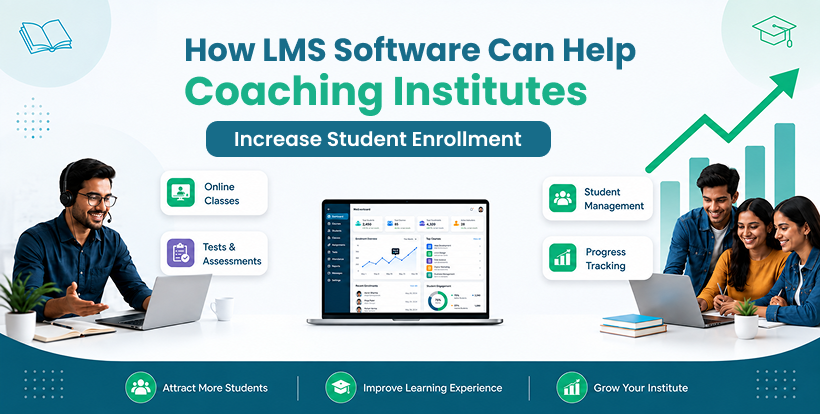
IntroductionToday, students increasingly search online for courses and coaching programs before choosing an institute. A strong digital learning presence can therefore help coaching institutes attract and convert more students.An LMS (Learning Management System) helps institutes manage courses, classes, learning materials, assessments, communication, and student progress in one platform. This can improve the student experience while also supporting enrollment growth.What Is an LMS for Coaching Institutes ?An LMS is a digital platform that helps coaching institutes manage teaching and student activities from one place.Key features include:Live and recorded classesStudy materials and notesOnline tests and quizzesStudent progress trackingAttendance managementNotificationsOnline admissionPerformance reports7 Ways LMS Can Increase Student Enrollment1. Offer Free Demo ClassesInstitutes can provide demo classes, sample lessons, and practice tests through an LMS. This allows potential students to experience the course before enrolling.2. Simplify Online AdmissionOnline registration and admission make the enrollment process faster and more convenient, helping convert interested students into enrolled students.3. Improve the Learning ExperienceAn LMS brings classes, notes, assignments, and quizzes together in one place. A convenient learning experience can help an institute stand out from competitors.4. Build Trust With Progress TrackingStudents and parents can view attendance, test results, course progress, and performance. This transparency can increase confidence in the institute.5. Strengthen Digital BrandingA branded LMS with the institute's logo, colors, courses, and certificates creates a professional digital presence and improves credibility.6. Improve Student CommunicationInstitutes can easily share class schedules, exam notifications, assignments, and important updates through the LMS.7. Encourage Student ReferralsSatisfied students are more likely to recommend an institute to friends and classmates. A better learning experience can therefore support both retention and new enrollments.How to Choose the Right LMS?When selecting an LMS for coaching institutes, look for:Course managementLive and recorded classesOnline testsProgress trackingAttendanceOnline admissionNotificationsMobile accessReports and analyticsBranding and customizationConclusionAn LMS is more than a teaching platform. It can help coaching institutes attract students, simplify admissions, improve learning experiences, build trust, and increase enrollment.For institutes looking to grow in today's digital education environment, choosing the right LMS software for coaching institutes can be an important step toward long-term growth.

Aug 25, 2026
44
Live Classes vs Recorded Lectures: What Actually Helps Students Retain Information ? Global LMS
Live Classes vs Recorded Lectures: What Actually Helps Students R...

Should institutes focus on live classes or recorded lectures? Most modern Learning Management Systems (LMS) support both, but the real question isn't about preference — it's about how students actually remember what they learn. Here's what matters for retention, and how combining both formats gives institutes the best results.Live Classes vs Recorded Lectures: The BasicsLive Classes are real-time, instructor-led sessions with scheduled attendance and direct interaction — students ask questions, join polls, and engage as the lesson happens.Recorded Lectures are pre-made videos students can watch, pause, and rewatch anytime, with no live interaction but full flexibility.Why Live Classes Help Retention?Immediate doubt-clearing prevents small confusions from piling up.Fixed schedules build accountability and reduce procrastination.Live interaction (polls, Q&A) keeps attention higher than passive watching.Downside: Missed sessions are hard to recover from without a recording.Why Recorded Lectures Help Retention?Rewatching supports long-term memory (spaced repetition).Self-paced learning reduces cognitive overload.Flexible for different schedules and time zones.Downside: Less accountability can lower completion rates and reduce active recallThe Real Answer: It's About Engagement, Not FormatLive classes win on clarity and accountability. Recorded lectures win on repetition and flexibility. Neither alone maximizes retention a hybrid approach works best.Best Practice: Combine BothUse live sessions for Q&A, discussions, and exam prep.Record every live class for later review.Keep short recorded lessons for basic concepts.Add quizzes after recordings to boost active recall.How Mantra LMS Helps?Mantra LMS supports both live classes and recording/playback on one platform — giving institutes real-time engagement plus a reusable, reviewable content library, without needing separate tools.

Aug 23, 2026
55
LMS for Language Institutes: Best Practices for JLPT, IELTS & PTE Preparation Global LMS
LMS for Language Institutes: Best Practices for JLPT, IELTS & PTE...

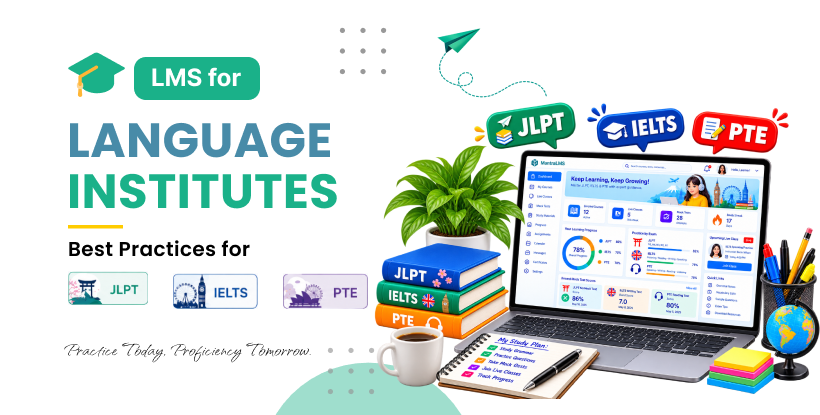
Language learning is no longer limited to weekly classes and printed books. Students preparing for JLPT, IELTS or PTE now expect online classes, recorded lessons, mock tests, progress tracking, and quick feedback. An LMS helps language institutes manage all these activities from one platform.What Is an LMS for Language Institutes?An LMS is a digital platform that helps language institutes manage courses, classes, learning materials, tests, student progress, and communication in one place.For exam preparation, it can organize learning by skills such as listening, reading, writing, and speaking while also supporting mock tests and performance tracking.Why Language Institutes Need an LMS?JLPT, IELTS, and PTE preparation usually involves:* Multiple batches throughout the year* Separate skill-based learning* Regular mock tests* Different target scores and levels* Continuous student assessmentManaging these manually becomes difficult as the number of students increases.Common Challenges Without an LMS* Difficult batch management* Manual test checking* Scattered student records* Limited access to recorded classes* Difficult progress tracking* Too much administrative workBest Practices for Using an LMS1. Organize Courses by SkillsSeparate content into Listening, Reading, Writing, and Speaking so students can easily focus on weak areas.2. Conduct Regular Mock TestsProvide both full-length exams and short practice tests to help students improve their skills and time management.3. Automate Test ScoringAuto-grade objective questions to provide students with quick results and reduce teachers' workload.4. Track Student ProgressKeep a record of previous test scores to identify improvement, weaknesses, and learning gaps.5. Record Live ClassesMake recorded lessons available so students can review classes or catch up after missing a session.6. Provide Student DashboardsShow students their scores, completed lessons, pending tasks, and overall progress in one place.7. Support Mobile LearningAllow students to practice vocabulary, listening, and tests through mobile devices anytime and anywhere.8. Centralize CommunicationUse the LMS for announcements, class updates, exam reminders, and results instead of relying on multiple communication channels.Important LMS Features for Language InstitutesA suitable LMS should include:* Skill-based course management* Online mock tests* Automatic scoring* Progress tracking* Live and recorded classes* Batch management* Mobile learning* Certificates and reportsBenefits of an LMS for Language Coaching* Better student progress tracking* Less administrative work* Easier batch management* More consistent learning* Better student experience* Easier institute scalability* Centralized learning resourcesConclusionFor JLPT, IELTS, and PTE institutes, an LMS makes exam preparation more organized and measurable. From online classes and mock tests to progress tracking and mobile learning, it helps institutes deliver a better learning experience while reducing manual work.

Aug 21, 2026
66
Learning Without Borders: Creating Inclusive and Connected Global Education ? Global LMS
Learning Without Borders: Creating Inclusive and Connected Global...

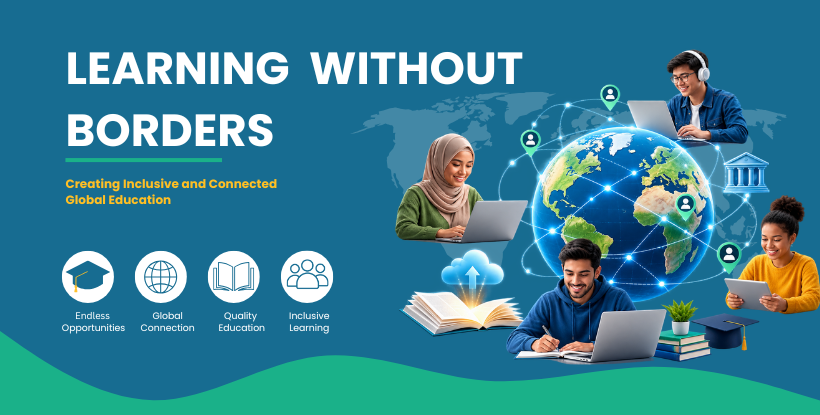
Learning Without Borders: Creating Inclusive and Connected Global Education ?Learning Without Borders is a modern approach to education that uses technologies like LMS, AI, cloud computing, and virtual classrooms to make learning accessible beyond geographical boundaries. It allows learners and educators from different countries, cultures, and backgrounds to connect, learn, and share knowledge.What Does It Mean?Traditional education is often limited by location, fixed schedules, and access to local resources. Digital learning reduces these limitations by allowing learners to:* Access courses from anywhere* Learn at flexible times* Attend virtual classes* Access digital resources* Connect with instructors and learners globally* Track progress and earn digital certificatesWhy Is Inclusive Education Important?Global education should be accessible to learners with different languages, cultures, abilities, financial situations, and levels of technology access. Features such as multilingual content, captions, mobile-friendly platforms, and flexible schedules can make learning more inclusive.Role of TechnologyLMS: Manages courses, learners, assessments, resources, and progress in one platform.AI: Supports personalized learning and recommends relevant content.Virtual Classrooms: Connect teachers and learners in real time from different locations.Cloud Technology: Makes learning platforms and resources accessible across devices and locations.ChallengesCreating borderless education still requires addressing the digital divide, language barriers, accessibility, cultural differences, and digital literacy. Technology alone is not enough; institutions also need inclusive and affordable learning strategies.Future of Global LearningThe future of education is becoming more flexible, connected, personalized, and technology-driven. AI, mobile learning, virtual classrooms, and digital credentials can further connect learners around the world.ConclusionLearning Without Borders aims to create an education system where geographical location does not limit learning opportunities. With the right combination of technology, accessibility, flexibility, and inclusive design LMS platforms can help build a truly connected global learning environment.

Aug 11, 2026
107
Beyond Enrollment: How an LMS Creates a Seamless Learning Journey from Admission to Certification Global LMS
Beyond Enrollment: How an LMS Creates a Seamless Learning Journey...

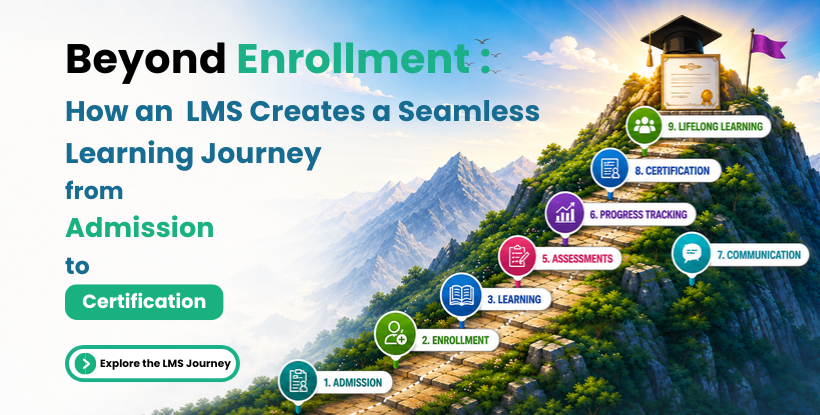
A student's learning journey begins before the first class and continues even after course completion. Managing every stage manually can be time-consuming and prone to errors.A modern Learning Management System brings admissions, learning, assessments, communication, and certification together in one place, making education more organized, efficient, and learner-focused.What Is the Student Journey?The student journey covers every step of a learner's experience, including:* Online admission* Course enrollment* Learning activities* Attendance* Assignments* Online exams* Progress tracking* Certificates* Alumni engagementManaging these stages in one system creates a smoother experience for both students and educators.Why Use One LMS for Everything?Using a single LMS helps institutions:* Save administrative time* Reduce paperwork* Improve student engagement* Track learner progress* Generate instant reports* Deliver a better learning experienceA centralized platform keeps all student information secure and easy to manage. Step 1: Online AdmissionsAn LMS digitizes the admission process with online forms, document uploads, and automated approvals. This reduces paperwork and speeds up student onboarding.Step 2: Course EnrollmentStudents can enroll in courses quickly through self-registration or administrator approval. Once enrolled, they can access learning materials immediately.Step 3: Learning & Course DeliveryAn LMS supports video lessons, live classes, quizzes, downloadable resources, and self-paced learning, allowing students to learn anytime and anywhere.Step 4: Attendance ManagementAttendance is recorded automatically through online sessions or live classes, helping institutions maintain accurate records with less manual work.Step 5: Assignments & AssessmentsEducators can create assignments, quizzes, and online exams while providing faster grading and instant feedback to students.Step 6: Progress TrackingReal-time dashboards and learning analytics help institutions monitor student performance, identify learning gaps, and support academic success.Step 7: Student CommunicationAnnouncements, notifications, reminders, and discussion forums keep students informed and encourage active participation throughout the course.Step 8: Digital CertificationAfter completing a course, students receive secure digital certificates that can be downloaded, verified, and shared instantly.Step 9: Lifelong LearningAn LMS continues supporting learners by offering advanced courses, professional training, and alumni engagement opportunities even after certification.ConclusionManaging the complete student lifecycle becomes much easier with a modern Learning Management System. By combining admissions, learning, assessments, attendance, communication, reporting, and certification into one platform, institutions can improve efficiency while delivering a better learning experience.As digital education continues to grow, adopting an all-in-one LMS is a smart investment for schools, colleges, universities, coaching centers, and training institutes looking to provide quality education and simplify academic management.

Aug 07, 2026
100
Why Educational Institutions Need an LMS to Stay Competitive ? Global LMS
Why Educational Institutions Need an LMS to Stay Competitive ?

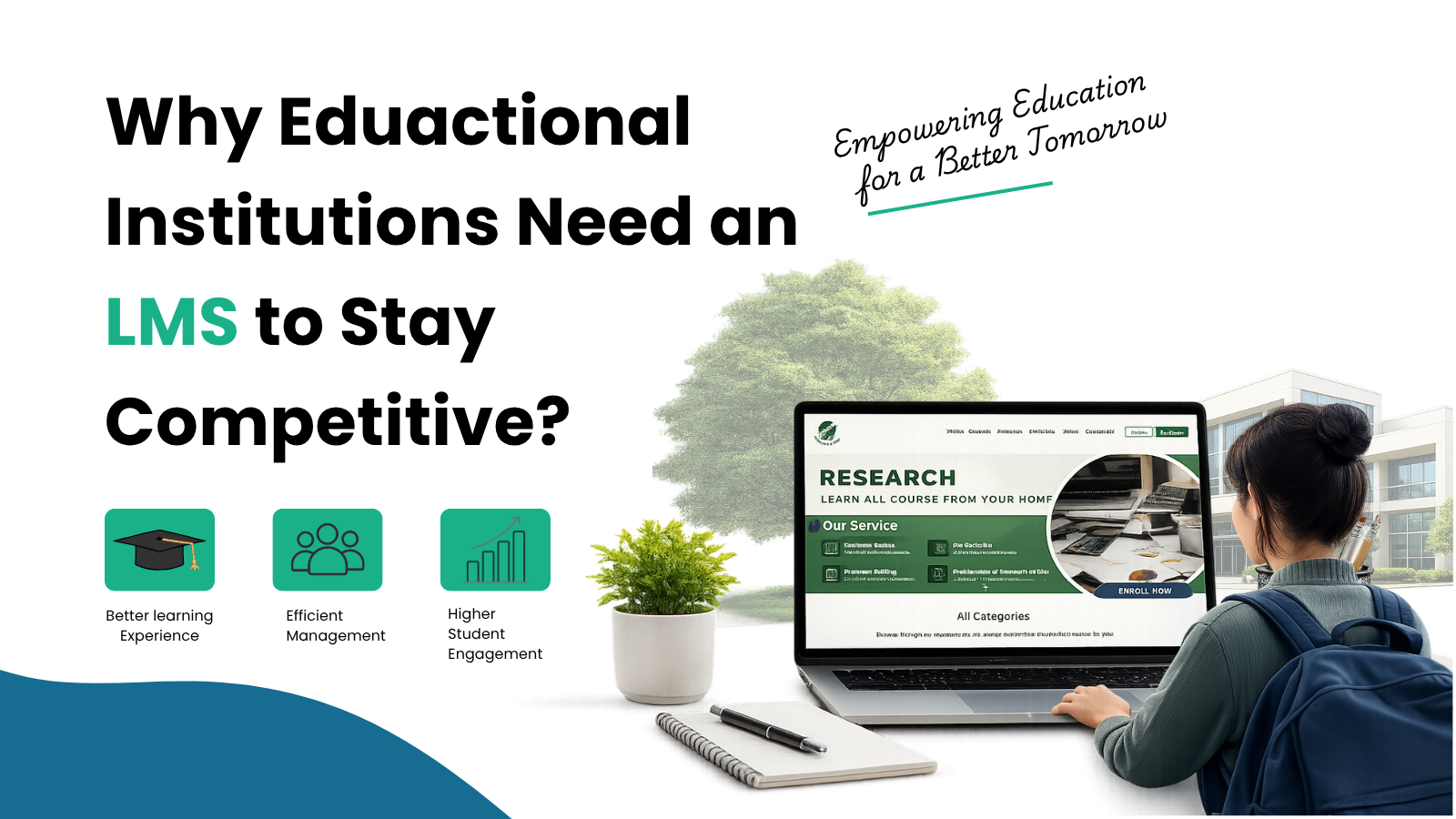
Why Educational Institutions Need an LMS to Stay Competitive ?Education is rapidly evolving as technology transforms the way students learn and institutions operate. Today's learners expect flexible, interactive, and personalized learning experiences that go beyond traditional classrooms. To meet these expectations and remain competitive, schools, colleges, universities, coaching centers, and training institutes are increasingly adopting **Learning Management Systems (LMS).**An LMS is a centralized platform that helps institutions deliver online and blended learning, manage courses, track student progress, conduct assessments, and improve communication—all from a single system. Beyond simplifying administration, it enhances the overall learning experience for both educators and students.Why Educational Institutions Need an LMS? Flexible LearningStudents can access courses, assignments, recorded lectures, and learning resources anytime, anywhere using any device, making education more accessible and convenient.Better Student EngagementInteractive features such as live classes, quizzes, discussion forums, multimedia content, and gamification create an engaging learning environment that keeps students motivated.Efficient Course ManagementAn LMS centralizes course materials, assignments, attendance, assessments, and academic records, helping educators save time while improving organization and consistency.Smarter AssessmentsInstitutions can conduct online quizzes, exams, and assignments with automated grading and instant feedback, making evaluation faster and more accurate.Learning AnalyticsReal-time reports allow educators to monitor attendance, course completion, student performance, and engagement, enabling data-driven academic decisions.Improved CommunicationBuilt-in messaging, announcements, notifications, and discussion boards keep students, teachers, and administrators connected throughout the learning process.Scalability and Future ReadinessWhether serving hundreds or thousands of learners, an LMS easily supports institutional growth while integrating modern technologies such as AI, mobile learning, and virtual classrooms.Benefits of an LMS* Flexible and hybrid learning* Higher student engagement* Streamlined administration* Faster assessments and feedback* Data-driven decision making* Better communication and collaboration* Reduced operational costs* Personalized learning experiences* Increased student satisfaction* Scalable digital educationConclusionA Learning Management System is more than just an online learning platform it is a strategic investment in the future of education. By improving teaching efficiency, enhancing student engagement, and simplifying academic management, an LMS helps educational institutions deliver high-quality learning experiences while staying competitive in today's digital world. Institutions that embrace modern LMS technology are better positioned to attract more students, improve learning outcomes, and prepare learners for future success.

Aug 05, 2026
129
Global Learning Ecosystems: The Next Evolution of Digital Education Global LMS
Global Learning Ecosystems: The Next Evolution of Digital Educati...

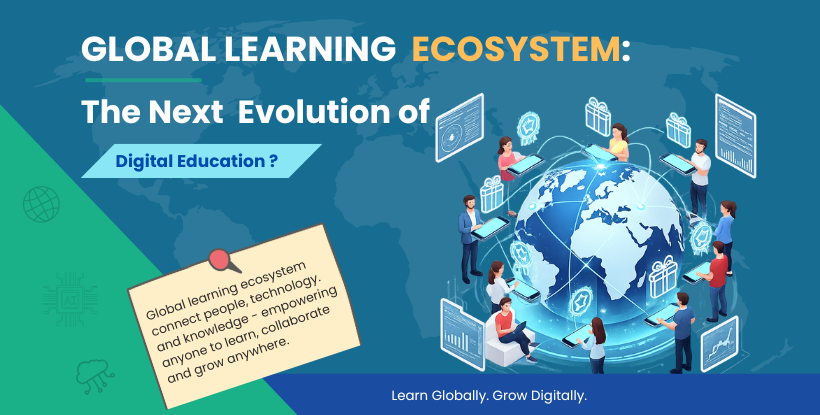
A Global Learning Ecosystem is a digitally connected learning network that brings together students, educators, institutions, and organizations through advanced technologies. By integrating **Learning Management Systems (LMS), artificial intelligence (AI), virtual classrooms, cloud computing, mobile learning, and collaboration tools**, it enables flexible, personalized, and accessible education. These ecosystems eliminate geographical barriers, encourage global collaboration, and support continuous learning for people around the world.Global Learning Ecosystems: The Next Evolution of Digital EducationDigital innovation has completely reshaped the way education is delivered. Learning is no longer limited to physical classrooms or specific locations. Today, individuals can access online courses, attend virtual classes, collaborate with peers across countries, and earn certifications from virtually anywhere.A Global Learning Ecosystem makes this possible by connecting learners, educators, institutions, and digital technologies into one unified environment. It provides an efficient and scalable approach to education, helping schools, universities, training institutes, and businesses deliver high-quality learning experiences to a global audience.What Is a Global Learning Ecosystem?A Global Learning Ecosystem is a unified digital learning environment that combines educational technologies, communication platforms, learning resources, and data-driven tools into a single system. It allows learners to access educational content anytime and from any location while promoting collaboration between educators, institutions, and learners.A typical global learning ecosystem may include:* Learning Management Systems (LMS)* Virtual classrooms* Mobile learning platforms* Video conferencing tools* Online assessments* Digital certificates* Learning analytics* AI-powered learning features* Collaboration and communication tools* Cloud-based educational resourcesTogether, these technologies create a connected learning environment that supports effective and continuous education.Why Are Global Learning Ecosystems Important?Today's learners expect education that is convenient, engaging, and personalized. At the same time, educational institutions and organizations require scalable solutions to deliver consistent learning experiences across different regions.Global learning ecosystems help meet these expectations by:* Eliminating location-based learning barriers* Supporting online, hybrid, and self-paced learning* Making quality education more accessible* Encouraging lifelong learning and professional development* Connecting learners and educators worldwideAs digital education continues to expand, global learning ecosystems have become a key part of modern teaching and training.Core Components of a Global Learning Ecosystem1. Learning Management System (LMS)The LMS acts as the central platform for managing courses, learners, assessments, certifications, and progress tracking. It simplifies administration while creating an organized and engaging learning experience. 2. Virtual ClassroomsVirtual classrooms allow instructors and learners to interact in real time through video sessions, discussions, and collaborative activities. This makes learning possible regardless of geographical location. 3. Mobile LearningMobile learning enables learners to access courses, assignments, and educational resources using smartphones or tablets. It offers greater flexibility and allows learning to continue anytime, anywhere.4. Artificial Intelligence (AI)AI improves digital learning by personalizing educational content, recommending learning paths, automating assessments, and providing insights that help educators support learner success.5. Learning AnalyticsLearning analytics collects and analyzes learner data, including participation, progress, and assessment performance. These insights help educators make informed decisions and improve educational outcomes.6. Collaboration ToolsFeatures such as discussion forums, messaging, shared workspaces, and group projects encourage communication, teamwork, and knowledge sharing among learners from different backgrounds.Benefits of Global Learning EcosystemsBetter Access to EducationLearners can participate in high-quality educational programs from almost anywhere in the world without the need to travel or relocate.Consistent Learning ExperiencesEducational institutions and organizations can deliver the same training and learning materials across multiple locations, ensuring consistency in education.Personalized LearningAI-powered technologies adapt learning experiences based on each learner's progress, strengths, and learning preferences, helping improve overall performance.Higher Learner EngagementInteractive videos, quizzes, live sessions, gamification, and collaborative activities make learning more engaging and enjoyable.Cost-Effective TrainingDigital learning reduces expenses related to travel, printed materials, classroom facilities, and instructor scheduling while allowing organizations to reach larger audiences.Improved Global CollaborationLearners and educators from different countries can connect, exchange ideas, and collaborate, helping develop communication skills and global perspectives.Challenges of Building a Global Learning EcosystemDespite its advantages, implementing a global learning ecosystem comes with challenges. Common issues include unreliable internet access, language barriers, time zone differences, data security concerns, varying digital skills, learner engagement, and technology integration.These challenges can be minimized by selecting the right LMS, providing adequate training, and adopting effective digital learning strategies.The Role of Learning Management Systems in Global LearningA Learning Management System is the core technology that supports a global learning ecosystem. It brings together courses, learners, assessments, communication, reporting, and analytics into one centralized platform.Features such as mobile access, multilingual support, virtual classroom integration, automated reporting, and AI-powered recommendations enable institutions to deliver efficient, scalable, and engaging learning experiences across the world.Future Trends in Global Learning EcosystemsThe future of global learning will continue to be driven by emerging technologies. AI-powered tutors, adaptive learning, Virtual Reality (VR), Augmented Reality (AR), blockchain-based digital credentials, microlearning, predictive analytics, and inclusive learning design are expected to play an increasingly important role.These innovations will make education more intelligent, personalized, interactive, and accessible for learners everywhere.ConclusionGlobal Learning Ecosystems are changing the way education is delivered by connecting learners, educators, and institutions through modern digital technologies. By integrating LMS platforms, artificial intelligence, cloud computing, mobile learning, analytics, and collaboration tools, organizations can provide engaging, flexible, and scalable learning experiences to people across the globe.As online education continues to grow, investing in a global learning ecosystem is becoming increasingly important. Institutions that embrace this approach will be better prepared to expand their reach, improve learner outcomes, and equip individuals with the knowledge and skills needed to succeed in an increasingly connected world.

Aug 04, 2026
122
How LMS Automation Reduces Administrative Work for Training Institutes ? Global LMS
How LMS Automation Reduces Administrative Work for Training Insti...

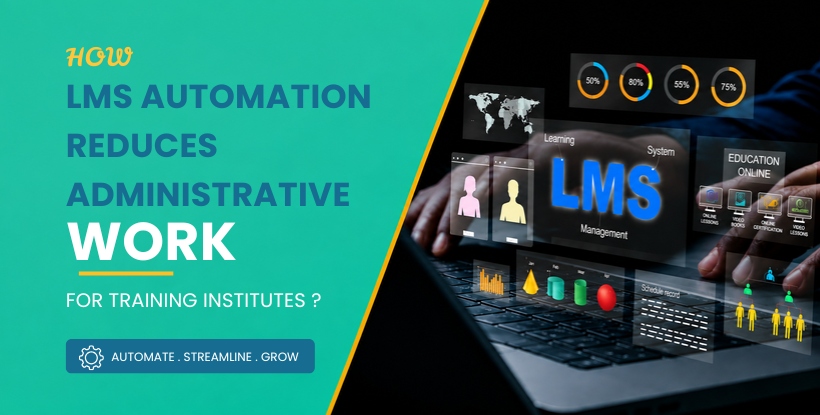
How LMS Automation Reduces Administrative Work for Training Institutes ?A Learning Management System (LMS) with automation features helps training institutes simplify everyday administrative tasks. From student enrollment and attendance tracking to assessments, certificate generation, communication, and reporting, an LMS automates repetitive work that would otherwise require significant manual effort. This saves time, reduces errors, improves productivity, and allows educators and administrators to focus on delivering a better learning experience.How LMS Automation Reduces Administrative Work for Training InstitutesManaging a training institute involves much more than teaching students. Administrative teams are responsible for handling admissions, attendance, scheduling, assessments, certificates, and reports. As student numbers increase, these tasks become more time-consuming and difficult to manage manually.LMS automation simplifies these responsibilities by handling repetitive tasks automatically. Instead of spending hours on paperwork and manual data entry, institutes can manage everything from a single platform while improving speed, accuracy, and overall efficiency.What Is LMS Automation?LMS automation uses predefined workflows to complete routine tasks without constant manual involvement. For example, when a learner enrolls in a course, the system can automatically create an account, provide course access, send a welcome email, and notify the instructor. This creates a smoother experience for both learners and administrators.Why Manual Administration Is Challenging ?Many training institutes still depend on spreadsheets or separate software to manage daily operations. This often leads to duplicate work, data entry mistakes, delayed communication, and difficulty tracking student progress. As the institute grows, managing these processes manually becomes increasingly inefficient.How LMS Automation Makes Administration Easier ?Automated Student EnrollmentAn LMS automatically registers learners, creates their profiles, assigns courses, and sends confirmation emails. This reduces manual work and speeds up the admission process.Attendance TrackingInstead of maintaining paper records, the system records attendance digitally through online classes or learner activity, making attendance management faster and more accurate.Course SchedulingAdministrators can publish class schedules, update timetables, and notify learners automatically. This reduces scheduling conflicts and saves valuable time.Assessments and GradingObjective quizzes and tests are graded instantly, with scores and learner progress updated automatically. Instructors can spend more time supporting learners instead of grading.Automatic Certificate GenerationOnce a learner completes a course, the LMS can generate and deliver certificates automatically, eliminating the need for manual preparation.Notifications and CommunicationThe LMS automatically sends reminders for classes, assignments, exams, payments, and course updates, helping learners stay informed without extra administrative effort.Centralized Document ManagementLearning materials, assignments, certificates, and important documents are stored securely in one place, making them easy to manage and access whenever needed. Reports and AnalyticsInstead of preparing reports manually, administrators can generate real-time insights on enrollments, attendance, learner progress, and course completion with just a few clicks.Benefits of LMS AutomationBy automating routine administrative tasks, training institutes can:* Save time and reduce paperwork* Improve data accuracy* Increase staff productivity* Deliver a better learner experience* Lower operational costs* Scale operations more efficientlyHow MantraLMS Helps ?MantraLMS helps training institutes automate essential administrative processes, including student enrollment, attendance management, assessments, certificate generation, communication, and reporting. With everything managed through one platform, institutes can reduce administrative workload while creating a smoother and more organized learning experience.ConclusionAdministrative work is essential, but it shouldn't take time away from delivering quality education. LMS automation replaces repetitive manual tasks with efficient digital workflows, helping training institutes save time, reduce errors, and operate more effectively. As online and blended learning continue to grow, adopting an LMS is becoming an important step toward building a more productive and scalable training environment.

Aug 02, 2026
102
How Training Institutes Can Increase Course Completion Rates Using LMS Features ? Global LMS
How Training Institutes Can Increase Course Completion Rates Usin...

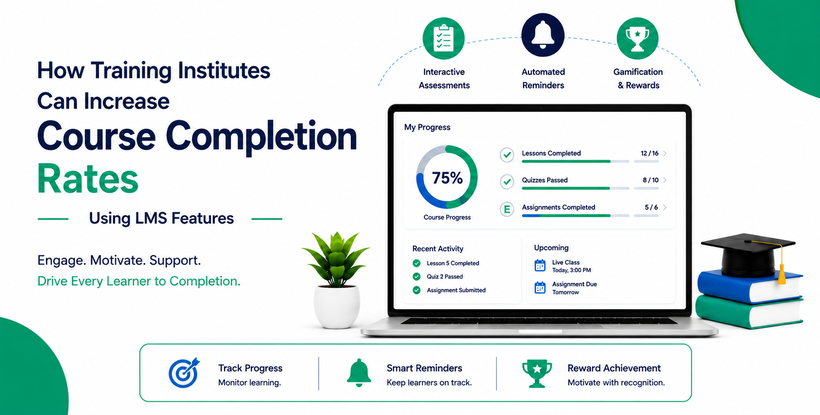
Training institutes can improve course completion rates by using Learning Management System (LMS) features that keep learners engaged and motivated throughout their learning journey. Features such as personalized learning paths, progress tracking, automated reminders, quizzes, gamification, mobile learning, discussion forums, and learning analytics encourage learners to stay active and complete their courses.An LMS goes beyond content delivery by creating a structured learning experience. Progress dashboards, timely notifications, interactive assessments, and achievement badges help learners stay focused, while learning analytics enable instructors to identify struggling students and provide timely support. When combined with quality course content and instructor guidance, these features reduce dropout rates and improve learner success. IntroductionCreating quality online courses is important, but ensuring learners complete them is the real challenge. Many learners lose motivation or stop participating before finishing a course.A modern Learning Management System (LMS) helps overcome these challenges by offering features that improve engagement, encourage consistent learning, and support learners throughout their journey.Why Course Completion Rates Matter ?High course completion rates indicate that learners are engaged and achieving their learning goals. They also lead to:* Higher learner satisfaction* Better learning outcomes* Increased certification rates* Stronger institute reputation* More referrals and repeat enrollmentsLMS Features That Improve Course Completion1. Personalized Learning PathsDeliver courses based on each learner's progress and skill level for a more engaging experience.2. Progress TrackingProgress bars and dashboards motivate learners by showing completed and remaining lessons.3. Automated RemindersEmail and app notifications remind learners about pending lessons, assignments, and deadlines.4. Interactive AssessmentsQuizzes, assignments, and practical exercises keep learners actively involved.5. GamificationBadges, points, and leaderboards increase motivation and encourage continuous learning. 6. Mobile LearningMobile-friendly access allows learners to study anytime, anywhere.7. Discussion ForumsCollaboration with instructors and peers improves engagement and knowledge sharing.8. Learning AnalyticsTrack learner performance and identify students who need additional support.9. Digital CertificatesCertificates motivate learners to complete courses and showcase their achievements.10. Instructor SupportRegular feedback and communication help learners stay motivated and overcome challenges. Best PracticesTraining institutes should:* Create short, engaging lessons.* Set clear learning objectives.* Use quizzes regularly.* Enable progress tracking.* Send automated reminders.* Reward learners with certificates and badges.* Monitor analytics and support struggling learners.* Optimize courses for mobile devices.

Jul 31, 2026
125